
First-Time Pregnancy: A Journey of Wonder
BUY NOW + Free 3 Pregnancy Books! For Your Onward Labour Journey
$24.99 Single Payment

Embark on Your Pregnancy Journey
Your comprehensive guide to a healthy and happy first pregnancy.
Understanding Early Symptoms
Learn about the common signs and symptoms of early pregnancy and what to expect.
 Learn More in
Nutrition for a Healthy Pregnancy
Discover essential nutrients and dietary guidelines to support your baby's development.
Preparing for Childbirth
Get insights into different birthing methods and create a birth plan that suits your preferences.
Congratulations on Your Pregnancy!
Discover Helpful Resources and Support
In Embracing Labour.
Labour Pain Management
Managing labour pain involves various techniques, including breathing exercises, massage, and relaxation methods.
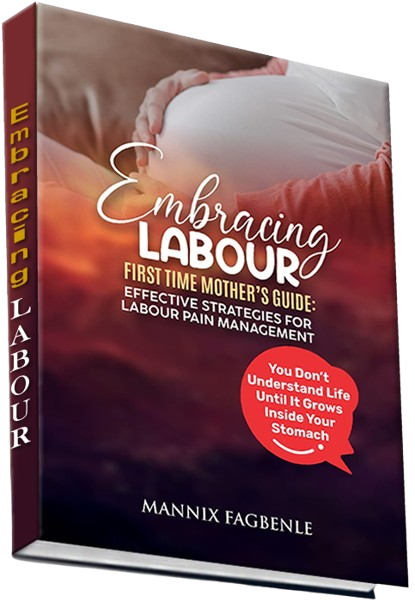
Our Book - "EMBRACING LABOUR" covers how you can cope with this important aspect of pregnancy
Also download the free e-books on pregnancy !
Your Labour Pain Support Chatbot
Welcome! I'm here to help you understand labour pain and explore coping strategies.
Find information about the stages of labour, pain management options (both medical and natural), relaxation techniques, and what to expect during contractions. Please remember I am not a substitute for professional medical advice.
Postpartum Labour Pain: Understanding and Relief
Postpartum labour pain, often referred to as afterpains, is a common experience after childbirth. These pains are caused by uterine contractions as the uterus shrinks back to its pre-pregnancy size.
While these contractions are a natural part of the healing process, they can be quite uncomfortable. Learn about effective strategies to manage postpartum labour pain. Buy now EMBRACING LABOUR and be abreast of how to cope with this situation
NAVIGATING LABOUR
A New Mother's Guide to Effective Pain Relief Strategies
Labour is a unique and transformative experience, and understanding the process can empower you to navigate it with confidence. This book provides information on the stages of labour, pain management techniques, and tips for a positive birthing experience.
Understanding the Stages of Labour:
Labour is typically divided into three stages:
First Stage:
This is the longest stage, characterized by contractions that gradually increase in frequency, duration, and intensity....
Second Stage:
This stage begins when you are fully dilated (10 cm) and ends with the birth of your baby.
Third Stage:
This stage involves the delivery of the placenta.
The Physiology of Labour Pain
Labour pain is a complex interplay of physiological processes that begins as the body prepares for childbirth. Understanding the mechanisms behind this pain can empower first-time mothers to manage their experiences more effectively.
The Importance of Pain Management
Understanding the importance of pain management during labor is essential for first-time mothers. As the body prepares for childbirth, it undergoes significant physical changes that can lead to discomfort and pain.
Recognizing pain management as a crucial aspect of the birthing process can empower mothers to take an active role in their labor experience.
Educating Yourself on Pain Management Options
Educating yourself on pain management options during labour is an essential step for first-time mothers as they prepare for one of the most transformative experiences of their lives. Knowledge empowers you to make informed choices that align with your preferences and values.
Understanding the various pain relief techniques available can alleviate some anxiety surrounding labor and help you create a personalized birth plan.
BE PREPARED!
Natural Pain Relief Techniques
Hydrotherapy
Hydrotherapy is an increasingly popular method for pain management during labor, particularly for first-time mothers who may be seeking natural relief options.
The use of water in labour can create a soothing environment that promotes relaxation and comfort. This book takes you by the hand to know more.....
Breathing Exercises and Relaxation
Breathing techniques are essential tools for first-time mothers as they prepare for labour. Understanding how to manage your breath can significantly impact your experience, allowing you to navigate the sensations of labour with greater ease.
During contractions, your body undergoes various physical changes that can lead to tension and anxiety.
Explore Our Pregnancy Book Collection
Find the perfect guide for your journey.
From first trimester to postpartum, we've got you covered.
The Role of Support Partners in Pain
Understanding the role of a support partner during labour is crucial for first-time mothers as they prepare for one of life’s most transformative experiences.
Mindbody Connection: Anxiety & Fear in Labour
Anxiety and fear during labour can significantly impact the birthing experience. The mind and body are deeply connected, and heightened anxiety can lead to increased muscle tension, pain perception, and potentially a longer labour.
Releasing fear through techniques like mindfulness, breathing exercises, and creating a supportive environment can promote relaxation, reduce pain, and empower the birthing person. Understanding this connection is crucial for a positive birth outcome.
READ MORE ABOUT IT
In:
EMBRACING LABOUR
Download Your Free Pregnancy Books
Embracing Labour - A Source for your information on "Labour Pain"
Equip Yourself for Your Pregnancy Journey - Buy Now and Start Reading!

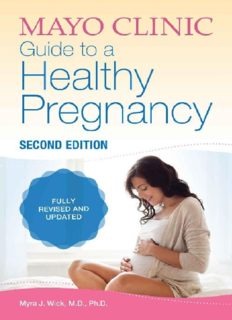
Healthy Pregnancy Tips
* Eat a balanced diet rich in fruits, vegetables, and whole grain.
* Stay active with moderate exercise. 
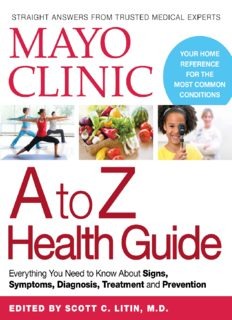
Why a Health Guide is Essential During Pregnancy
Connect with this essential guide to understand and prioritize your health throughout your pregnancy journey.

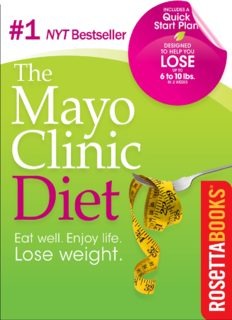
Unlock Your Potential Through Healthy Eating
You are what you eat!
Take control of your diet and unlock a healthier you. Discover the secrets within this book.

This Deal May Expire Without Notice!
Risk-Free: 30-Day Money Back Guarantee
This exclusive one-time pricing offer vanishes soon! Lock in your access now for price may change!!
And with our rock-solid, 30-day money-back guarantee, you have absolutely zero risk. Try it out!!!

Your Journey
To Motherhood
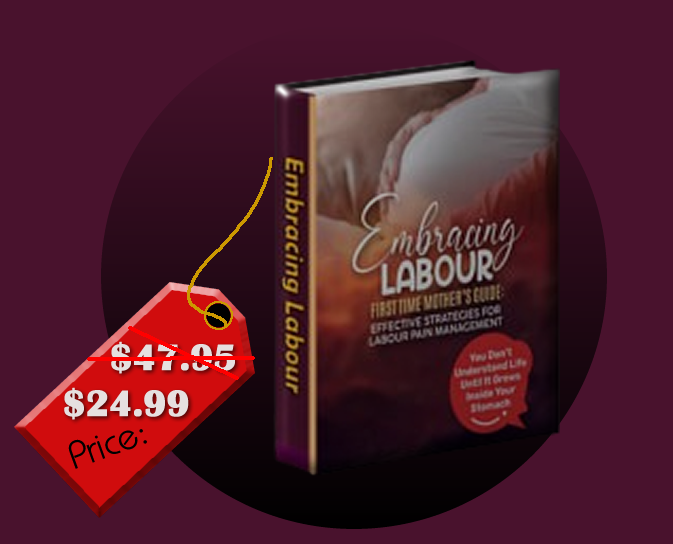
Unlock Phenomenal Discoveries Within the book-"Embracing Labour"
Embark on a transformative journey with our comprehensive guide, designed to empower you through every stage of labour and motherhood. Gain access to invaluable insights, practical techniques, and compassionate support to navigate this incredible chapter with confidence and joy.
Never be stuck in confusions ever again... Get clarity and make confident decisions.
Labour Experience
DISCOVER SUPERFIRE SECRET ON HOW TO COPE WITH THE ‘THE NEW LIFE’ YOU’RE CARRYING. (BE 100% SURE OF TROUBLYE FREE PREGNANCY)
You Can Fully Equip Yourself with These “Must Have” Embracing Labour Text/e-Book and Strategies For Having a) SUCCESSFUL pregnancy!
With your new found insights, the quality of contents you have here will be more than enough **to be** worth your investment on this eBook! So how much will this cost you?
REAL WORLD VALUE = $47.95
But hey, like I said. I want EVERYBODY to be able to afford this amazing **resource** to having a successful period of pregnancy!
So, I’ve decided to lower the costs of this info-product. Hence, your total investment on this ultimate e-Book to having a very successful and stress free pregnancy is:
$24.99 Only
(For digital download ($15). You will instantly be directed to the download page upon purchase) Best Wishes, -- Struggle No More
HOW TO ORDER

"YOU NEVER UNDERSTAND THE " LIFE " UNTIL IT GROWS INSIDE YOU!" - Sandra Chami Kassis
Labor Pain FAQs
Common questions about labor pain and pain management options.
What does labor pain feel like?
Understanding Labor Pain: What to Expect Labor pain is a unique and intense experience that varies significantly from person to person. It is often described as a combination of strong contractions, pressure, and discomfort in the lower abdomen and back. This document aims to provide insights into the sensations associated with labor pain, helping expectant mothers prepare for the experience.
The Nature of Labor Pain Labor pain typically begins with mild contractions that gradually increase in intensity and frequency. Many women describe the early stages of labor as feeling similar to menstrual cramps, which can be uncomfortable but manageable. As labor progresses, the contractions become more intense and can feel like a tightening or squeezing sensation in the abdomen.
When should I go to the hospital or birthing center?
Knowing when to go to the hospital or birthing center is essential for the health and safety of both the mother and the baby. If you are ever in doubt, it is always better to err on the side of caution and seek medical advice.
Always consult with your healthcare provider for personalized guidance based on your specific situation.
What are my options for pain relief during labor?
When choosing a pain relief method, it is essential to consider factors such as personal preferences, medical history, and the specific circumstances of the labor. Discussing options with healthcare providers can help ensure that the chosen method aligns with the mother’s birth plan and overall health.
There are various options available for pain relief during labor, each with its benefits and considerations. Expectant mothers should feel empowered to explore these options and communicate their preferences with their healthcare team to create a supportive and comfortable birthing experience.
How can I cope with labor pain naturally?
Coping with labor pain naturally is a personal journey that varies for each individual. By exploring and practicing these techniques, you can find what works best for you and create a more positive labor experience. Remember, it’s essential to communicate with your healthcare provider about your pain management preferences and to seek support from loved ones during this transformative time.
What is an epidural, and what are the risks and benefits?
Epidurals are a widely used method of pain relief during labor and certain surgical procedures, offering significant benefits such as effective pain management and the ability to remain alert. However, they also come with potential risks that should be carefully considered. It is essential for individuals to discuss their options with healthcare providers to make informed decisions that align with their personal preferences and medical circumstances.
How long will labor pain last?
The duration of labor pain can vary significantly based on numerous factors, including the stage of labor and individual circumstances. Understanding these aspects can help expectant mothers prepare for the experience of childbirth. It is always advisable to discuss pain management options with healthcare providers to ensure a more comfortable labor experience.
Can I have a pain-free labor?
While pain during labor is a common experience, there are numerous options available for achieving a pain-free or pain-reduced labor. From medical interventions like epidurals to natural methods such as breathing techniques and water immersion, expectant mothers can choose the approach that best suits their needs and preferences. It is essential to discuss these options with healthcare providers to create a personalized birth plan that prioritizes comfort and well-being.
What role does my partner play in helping me manage labor pain?
Your partner plays a multifaceted role in managing labor pain, providing emotional, physical, and practical support throughout the process. By working together, you can create a more positive and empowering birthing experience. Remember, open communication with your partner about your needs and preferences is key to making the most of their support during this significant time.
Are there any positions that can help ease labor pain?
Finding the right position during labor can significantly impact comfort and pain levels. It is essential to listen to your body and experiment with different positions to discover what works best for you. Remember that support from your partner or healthcare provider can enhance your experience and provide additional comfort during labor.
How effective are breathing techniques for pain management?
Breathing techniques offer a valuable tool for pain management, promoting relaxation and reducing the perception of pain through physiological and psychological mechanisms. While they may not replace traditional medical treatments, incorporating these techniques can enhance overall pain management strategies and improve quality of life for individuals experiencing pain. As research continues to evolve, the integration of breathing techniques into holistic pain management approaches is likely to gain further support.
What is the difference between early labor pain and active labor pain?
Early labor pain is characterized by mild to moderate contractions that are irregular and spaced out, while active labor pain involves stronger, more frequent contractions that indicate significant progress in the labor process. Understanding these differences can empower expectant mothers to recognize the stages of labor and seek appropriate support and care.
Can anxiety or fear make labor pain worse?
anxiety and fear can indeed make labor pain worse by triggering physiological stress responses and altering pain perception. Understanding the interplay between mental state and pain can empower individuals to seek effective coping strategies and support during labor, ultimately leading to a more positive childbirth experience. By addressing anxiety and fear, expectant parents can better prepare for the challenges of labor and enhance their overall well-being during this significant life event.
How will I know if I'm handling the pain well?
Understanding how well you are handling pain involves recognizing various signs of effective pain management. By monitoring your pain levels, functionality, emotional well-being, and the strategies you employ, you can gain insight into your pain management success. Implementing additional strategies can further enhance your ability to cope with pain, leading to a better quality of life. Always remember to communicate openly with your healthcare provider to ensure you are on the right path.
Is it possible to have labor without feeling pain?
While the experience of labor pain is common, there are various methods and techniques available that can help manage or even eliminate pain during childbirth. From medical interventions like epidurals to natural pain relief techniques, the options are diverse. Ultimately, the experience of labor is highly individual, and what works for one person may not work for another. It is essential for expectant mothers to explore their options and choose the approach that feels right for them.
What are the side effects of pain medication during labor for the baby?
While pain medications can significantly improve the labor experience for many women, it is crucial to weigh the benefits against the potential side effects on the newborn. Healthcare providers should discuss these risks with expectant mothers, ensuring informed decisions are made regarding pain management during labor. Continuous monitoring of both mother and baby during and after labor can help mitigate any adverse effects and promote a healthy delivery experience.
How can I prepare for labor pain during my pregnancy?
Preparing for labor pain involves a combination of understanding the process, practicing pain management techniques, and creating a supportive environment. By equipping yourself with knowledge and resources, you can approach labor with confidence and a sense of empowerment. Remember, every labor experience is unique, and being flexible with your plans can lead to a more positive outcome.
What happens if I have a C-section? Will I still experience labor pain?
If you have a C-section, you will not experience labor pain during the procedure itself, especially if it is planned. However, if the C-section is performed after labor has begun, you may feel some pain until anesthesia is administered. Post-operative pain is a separate concern that should be addressed with your healthcare provider. Understanding these aspects can help you prepare for your delivery and recovery experience.
COMPANY NAME
STRUGGLE NO MORE

ADDRESS
75 FALOLU ROAD, SURULERE, LAGOS, NIGERIA
FOLLOW US
© Copyright 2025 CapitalEdge Publishers